
Introduction to Breast Augmentation
Breast augmentation, clinically known as augmentation mammoplasty, is a surgical procedure designed to increase or restore breast size using either breast implants or fat transfer. Whether you’re seeking a modest enhancement or significant reconstruction, this guide is written specifically for patients considering breast augmentation surgery in 2026, covering current techniques, safety standards, and realistic expectations.
This cosmetic procedure serves two primary purposes. Many patients pursue augmentation for aesthetic enhancement—achieving a fuller breast shape, better symmetry, or improved proportion. Others require it for reconstructive purposes following mastectomy, trauma, or to correct congenital conditions like tuberous breasts. Both pathways lead to the same fundamental surgical technique, tailored to individual needs.
Key benefits of breast augmentation include:
- Improved body proportion and balanced silhouette
- Enhanced confidence and self image through better body alignment
- Better clothing fit, especially with low-cut tops and swimwear
- Critical reconstruction options after breast cancer treatment
The procedure is typically performed as outpatient surgery under general anesthesia, with most patients returning to light activities within about a week. Long-term satisfaction rates hover around 90-95% when expectations are properly managed.
Quick Answer: Is Breast Augmentation Right for Me?
A good candidate for breast augmentation is typically a healthy adult woman with realistic goals about what surgery can achieve. You should be emotionally prepared, physically healthy, and motivated by personal desire rather than external pressure.
You may be a suitable candidate if you:
- Are at least 18 years old for saline implants or 22+ for silicone gel implants per FDA guidelines
- Are a non-smoker or willing to quit 4-6 weeks before and after surgery
- Maintain a stable weight without significant fluctuations
- Have no uncontrolled medical conditions like diabetes or heart disease
- Possess realistic expectations about outcomes
Candidates commonly seek breast surgery for naturally small breasts, volume loss after pregnancy or weight loss, noticeable asymmetry between sides, or post-mastectomy reconstruction. Studies show that up to 50% of women experience some degree of breast asymmetry, making symmetry correction one of the most frequent motivations.
Breast augmentation changes breast size and breast shape—but it doesn’t solve life problems or guarantee higher self-esteem. Research indicates 80-85% of patients report improved satisfaction, yet surgery cannot resolve underlying mental health concerns. A formal consultation with a board certified plastic surgeon is essential to confirm candidacy and discuss your individual risks.
Overview of Breast Augmentation
Breast augmentation consistently ranks as one of the most commonly performed cosmetic surgery procedures worldwide, with over 300,000 procedures performed annually in the United States alone. Demand has remained steady over the last decade, with 2026 trends emphasizing natural-looking outcomes over dramatic changes.
The procedure uses breast implants or fat transfer breast augmentation to increase breast volume while improving shape and symmetry. During the surgical procedure, your plastic surgeon makes an incision, creates a pocket, and positions either an implant or harvested fat cells to achieve your desired outcome.
Typical goals include:
- Fuller upper pole for improved cleavage
- Correction of mild sagging breasts when combined with a breast lift
- Restoration of breasts after pregnancy, breastfeeding, or cancer treatment
- Balanced feminine silhouette for patients with uneven breasts
Implants are placed either under the breast tissue (subglandular), partially beneath the chest muscle (dual plane), or fully under the pectoral muscle (submuscular). The procedure typically lasts 1-2 hours in accredited outpatient facilities.
Why People Choose Breast Augmentation
Motivations for breast enlargement surgery are deeply personal and vary widely, but most center on achieving better proportion and restored confidence. Some patients seek modest changes while others desire more dramatic transformations—both are valid when expectations align with realistic possibilities.
Common aesthetic reasons:
- Naturally small breasts (A/B cup) seeking proportional enhancement
- Volume loss after breastfeeding (affecting approximately 70% of mothers)
- Noticeable asymmetry between the two sides
- Breast deflation following significant weight loss or bariatric surgery
Reconstructive reasons:
- Post-mastectomy breast reconstruction (often covered under laws like the Women’s Health and Cancer Rights Act)
- Correction of developmental defects like tuberous breasts
- Revision of previous unsatisfactory surgery
The psychological aspects deserve careful consideration. Many patients report improved body image and expanded clothing options after augmented breasts settle into their final position. However, plastic surgery should always be a self-driven choice—not something pursued to satisfy partners or meet external expectations.
Some patients choose modest increases of about 200-250 cc (roughly one cup size), while others opt for more dramatic changes with 400+ cc. Your body type, chest width, and existing breast tissue all influence what looks proportional. A petite frame requires different planning than a broader torso.
Understanding Implant Types and Key Choices
Implant selection determines both the aesthetic benefits and feel of your final result. This isn’t simply about choosing a cup size—your surgeon will guide decisions using precise measurements of chest width, tissue thickness, and your stated goals.
The following sections break down the critical choices: shell texture, fill material, shape, profile, and placement. Each decision affects everything from how natural your augmented breasts appear to potential long-term considerations.

Outer Shell: Smooth vs. Textured
Every modern breast implant features a silicone shell, available in either smooth or textured finishes. This choice affects implant behavior and certain risk profiles.
Smooth implants allow more natural movement within the pocket, often producing a softer feel. They may show slightly more movement or rotation in some patients, but this is rarely problematic when properly placed.
Textured shells were designed to adhere to surrounding scar tissue, reducing rotation and potentially lowering certain types of capsular contracture. However, they carry a small increased risk of anaplastic large cell lymphoma (BIA-ALCL), a rare immune system cancer affecting the breast capsule.
The 2019 Allergan Biocell recall removed certain macro-textured options from the market due to elevated BIA-ALCL risk. Since then, many surgeons favor smooth implants whenever appropriate. Current FDA guidance continues to evolve based on emerging data, so discuss the latest shell options with your surgeon during consultation.
Fill Materials: Saline vs. Silicone
Saline breast implants consist of a silicone shell filled during surgery with sterile salt water. They’re typically less expensive, and rupture detection is straightforward—you’ll notice visible deflation if the implant fails. However, saline implants may show more rippling in patients with thin breast tissue.
Silicone breast implants contain cohesive silicone gel that closely mimics natural breast tissue texture. The highly cohesive variants—often called gummy bear implants—maintain their shape even if the silicone shell is compromised. These generally produce a more natural appearance with less visible rippling.
The tradeoff with silicone gel implants involves “silent” rupture detection. Unlike saline, a ruptured silicone implant may not be immediately apparent. The FDA recommends periodic imaging (MRI or ultrasound) starting 3 years post-surgery, then every 2 years thereafter.
Feature | Saline | Silicone |
|---|---|---|
Feel | Firmer, water-like | Softer, tissue-like |
Rippling risk | Higher in thin patients | Lower |
Rupture detection | Visible deflation | Imaging required |
Minimum age (FDA) | 18 years | 22 years |
Incision size | Smaller (filled after insertion) | Larger (pre-filled) |
Shape and Profile
Implants come in round and anatomical (teardrop) shapes, each with multiple profiles controlling projection from the chest wall.
Round implants remain the most popular choice. Despite the name, they can create a natural slope when appropriately sized—the silicone gel settles naturally with gravity. Teardrop designs may help sculpt a more gradual upper pole in select patients, though they carry a slight rotation risk that could require revision surgery.
Profile describes how far the implant projects relative to its base width:
- Low profile: Subtle projection, wider footprint
- Moderate profile: Balanced projection and width
- High profile: Maximum projection without adding width, ideal for narrow chest wall dimensions
Higher-profile implants work well for patients with narrower ribcages who want noticeable cleavage without excessive lateral spread. The goal is matching implant dimensions to your torso width, breast base width, and desired outcome to avoid an exaggerated or obviously augmented appearance—unless that’s specifically your preference.
Implant Position: Subglandular, Submuscular, Dual Plane
Where the surgeon inserts the implant significantly impacts recovery, final appearance, and long-term behavior.
Subglandular placement positions the implant above the pectoral muscle but under the breast tissue. Benefits include shorter recovery and no “animation deformity” when flexing. The downside: implant edges may be more visible in patients with minimal natural tissue coverage.
Submuscular placement positions part or all of the implant beneath the pectoral muscle. This typically produces more natural contours, reduces visible rippling, and may improve mammogram accuracy. Recovery takes longer, and some patients notice implant movement when flexing the chest muscle.
Dual plane technique combines both approaches. The upper portion sits under muscle while the lower portion rests under glandular tissue. This hybrid works particularly well for correcting mildly drooping breasts while maintaining upper pole support.
Athletes and heavy weightlifters sometimes prefer subglandular or subfascial placement to minimize implant distortion during muscle contraction—assuming they have adequate tissue coverage. Ultimately, position is customized based on physical examination, lifestyle factors, and aesthetic goals rather than patient preference alone.
Safety, Risks, and Long-Term Considerations
Breast augmentation is major surgery carrying significant but generally manageable risks when performed by qualified surgeons in accredited facilities. Understanding these potential risks allows for informed decision-making and proper preparation.
Common surgical risks:
- Anesthesia reactions (1-2%)
- Bleeding or hematoma (2-5%)
- Fluid buildup (seroma)
- Infection (1-2%)
- Changes in nipple or breast sensation (10-15% temporary, 1-2% permanent)
- Scarring (influenced by genetics and incision location)
Implant-specific risks:
- Capsular contracture (5-10%, graded Baker I-IV)
- Breast implant rupture or deflation
- Asymmetry requiring correction
- Visible rippling, especially with saline implants in thin patients
- Implant malposition (bottoming out, lateral displacement)
- Need for further surgery over time
Implants are not lifetime devices. FDA labeling has mandated this disclosure since 2021. Many patients require replacement or revision at some point—often 10-20 years after initial surgery, though timing varies considerably. Lifetime revision rates range from 20-30%.
Breast Implant-Associated Anaplastic Large Cell Lymphoma (BIA-ALCL)
BIA-ALCL is a rare type of lymphoma primarily associated with textured implants. Critically, this cancer develops in the scar tissue surrounding the implant—not within the breast tissue itself. It’s considered highly treatable when detected early.
Risk estimates vary by implant type and data source, generally ranging from 1 in several thousand to 1 in tens of thousands for certain textured devices. Following the 2019 Allergan Biocell recall, macro-textured implant use declined significantly. No confirmed cases have been associated with smooth-surface implants as of current FDA data.
Warning signs to monitor:
- Persistent swelling or fluid collection around the implant
- New lumps near the breast or armpit
- Pain or changes in breast shape years after augmentation
Early detection and treatment (typically capsulectomy with implant removal) yields cure rates exceeding 90%. Keep regular follow-up appointments, promptly report new symptoms, and discuss current implant options and risk profiles before choosing your device.
Systemic Symptoms and “Breast Implant Illness”
Breast implant illness (BII) describes a patient-reported cluster of symptoms including fatigue, cognitive difficulties, joint pain, sleep problems, and mood changes that some individuals attribute to their implants. This remains an area of active research and considerable debate.
As of 2026, scientific studies have not established a clear cause-and-effect relationship between implants and these systemic symptoms. However, recognition of patient experiences has grown substantially within the medical community.
Some patients report significant improvement after explantation and capsulectomy. Others experience no change, highlighting the complexity of this issue. If you experience concerning symptoms, seek evaluation to rule out other medical causes—autoimmune conditions, thyroid problems, vitamin deficiencies—before considering implant removal.
The FDA’s updated informed-consent requirements (issued 2021) include patient decision checklists ensuring individuals understand both established and potential risks. Your surgeon should review these materials thoroughly before proceeding.
Preparing for Breast Augmentation Surgery
Effective preparation improves safety, smooths recovery, and helps you feel more in control of the process. Start planning several weeks before your scheduled cosmetic procedure.
Essential preparation steps:
- Complete medical history review and physical examination
- Breast imaging (mammogram or ultrasound) for age-appropriate patients
- Laboratory tests as indicated by your medical history
- Stop smoking or vaping nicotine 4-6 weeks before and after surgery
- Pause certain blood thinners, high-dose NSAIDs, or herbal supplements under physician guidance
Practical logistics matter equally. Arrange transportation for surgery day (you cannot drive yourself), secure help at home for the first 24-72 hours, and plan adequate time off work—typically 5-7 days for office positions, longer for physically demanding roles.
Your Consultation and Planning
The initial consultation establishes the foundation for your entire surgical experience. Expect a detailed discussion of your goals, careful measurement of chest and breast dimensions, medical history review, and thorough physical examination.
Questions to ask your plastic surgeon:
- Are you board certified in plastic surgery?
- How many breast augmentation procedures do you perform annually?
- What are your complication and revision rates?
- What does your aftercare protocol include?
- Who will provide anesthesia, and what are their credentials?
Visual planning helps align expectations with realistic outcomes. Review before-and-after photos of patients with similar body types. Many practices offer 3D imaging to preview potential results. Trying on sizer implants in a bra during consultation provides tangible reference for volume decisions.
Informed consent covers implant type, incision choice, placement, expected scar locations, and potential need for future procedures. Bring a comprehensive list of medications, supplements, previous surgeries, and any history of abnormal scarring or keloids.
Pre-Operative Checklist
As surgery approaches, confirm all details are finalized:
- Implant choice and size confirmed
- Consent forms signed
- Pre-operative labs and imaging completed
- Surgery date, time, and location verified
Practical preparations:
- Arrange someone to drive you home
- Fill prescriptions for pain medication and antibiotics beforehand
- Prepare comfortable front-closing or sports bra options
- Gather loose, button-front clothing for easy dressing
- Set up a recovery space with extra pillows for elevated sleeping
- Place phone chargers, water, and medications within easy reach
Follow fasting instructions carefully—typically no food for 8 hours before surgery, with clear-liquid guidance from your anesthesia team. Skip lotion, deodorant, and jewelry on surgery day. Patients over 35-40 or those with risk factors should complete baseline mammography before the operation date.
What to Expect on Surgery Day
Arrive at the accredited surgical center or hospital at your designated check-in time. You’ll complete final paperwork, meet the surgical and anesthesia team, and have your blood pressure and vital signs checked.
Your surgeon will mark your breasts with a surgical marker while you’re standing or seated. These markings guide incision placement and implant positioning for optimal symmetry. An IV line will be started, and you’ll have the opportunity to address any last-minute questions before entering the operating room.
Most breast augmentation procedures use general anesthesia, though local anesthesia with IV sedation is occasionally employed depending on practice protocols and case complexity.
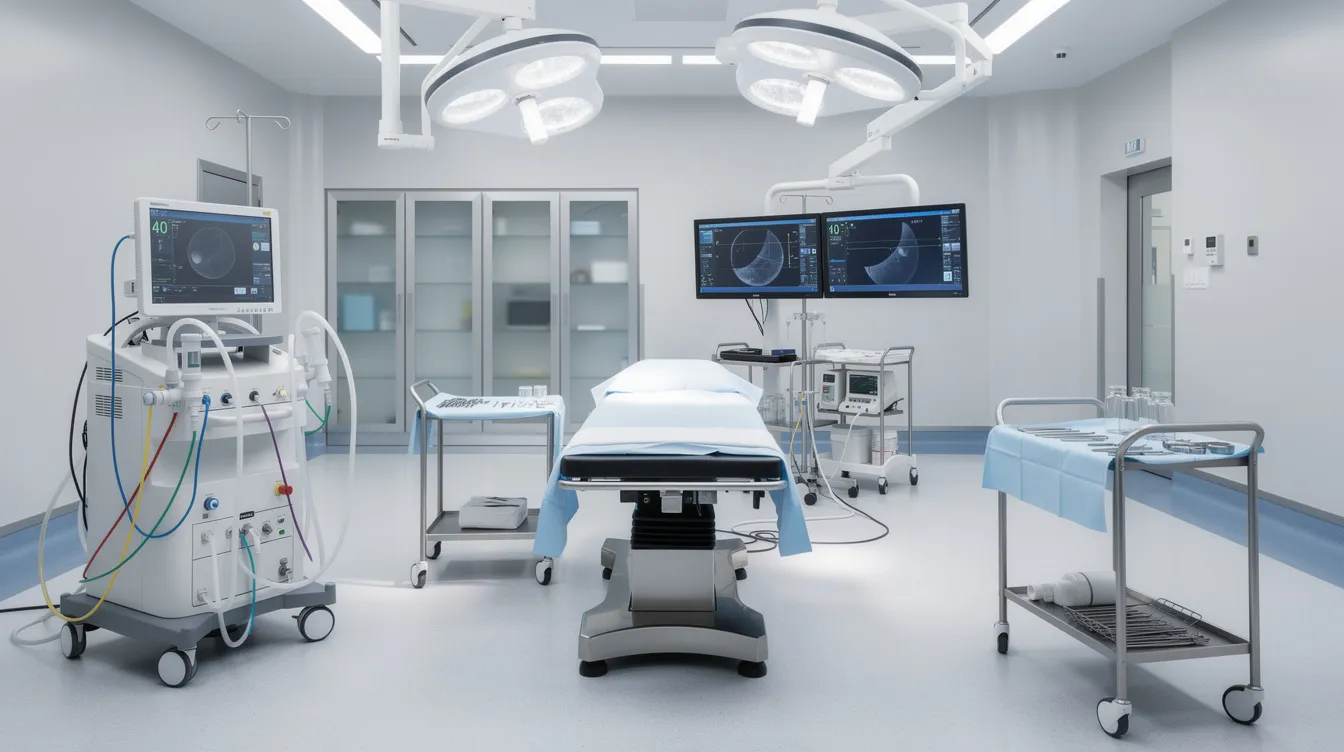
During the Procedure
Once anesthesia takes effect, monitoring equipment tracks your vital signs continuously under supervision by an anesthesiologist or nurse anesthetist.
Incision options include:
Incision Type | Location | Advantages | Considerations |
|---|---|---|---|
Inframammary fold | Crease under breast | Most versatile access, hidden scar | Visible when lying flat |
Periareolar incision | Around areola edge | Scar blends with skin transition | Potential sensation changes |
Transaxillary incision | Armpit | No breast scar, minimal scarring on chest | Limited surgeon access |
The surgeon makes a small incision at the chosen site, then carefully creates a pocket either above or below the muscle using measurements and markings to center the implant behind the nipple-areola complex.
For saline implants, the surgeon inserts the empty shell through the incision, then fills it to the planned volume. Silicone implants are pre-filled and inserted as a complete unit through the incision.
Once implants are positioned, the surgeon raises the head of the operating table to assess symmetry while you’re still on the table. The incisions are closed with layered sutures, often with surgical tape or skin adhesive on the surface. The surgical technique varies slightly by surgeon preference and patient’s body characteristics.
Immediately After Surgery
Transfer to a recovery room follows, where nurses monitor vital signs, pain levels, and watch for any immediate complications while anesthesia wears off. This monitoring period typically lasts 1-2 hours.
Your chest will be covered with dressings and a snug surgical bra or compression garment to minimize swelling and support your new implants. Expect sensations of tightness across the chest, pressure, and moderate soreness—all well-controlled with prescribed pain medication.
Most patients go home the same day once stable, able to drink fluids, and accompanied by a responsible adult. Overnight stays are more common after combined procedures or complex breast reconstruction cases.
Discharge instructions will include:
- When and how to change dressings
- Medication schedules
- Emergency contact numbers
- First follow-up appointment date (typically within 3-7 days)
Recovery and Aftercare
Recovery unfolds in phases: the first 72 hours involve the most swelling and discomfort, the first 1-2 weeks focus on rest and limited activity, and longer-term healing continues over several months.
Swelling peaks around day 3, accompanied by bruising and a feeling of heaviness. These symptoms gradually improve. Final implant position and breast shape may take 3-6 months to fully settle—a process patients often call “drop and fluff.”
Typical activity timeline:
- Desk work: approximately 5-7 days
- Light cardio: 2-3 weeks
- Heavy lifting and vigorous exercise: 4-6 weeks (with surgeon approval)
Wear your supportive non-underwire bra as directed to stabilize implants and support healing tissues. Blood vessels and delicate structures need time to establish proper circulation around the implant.
Call your surgeon immediately if you experience:
- Fever above 101°F
- Sudden increase in pain
- Rapidly enlarging swelling
- Red or hot breast
- Shortness of breath or chest pain
Activity Restrictions and Scar Care
Movement limitations protect your healing tissues:
- Avoid lifting arms above shoulder height for the first several days
- No lifting anything heavier than a few kilograms for 1-2 weeks
- Avoid sleeping on your stomach until cleared by your surgeon
Gentle walking is encouraged starting the same day or next day after surgery. This supports circulation and reduces blood clot risk without stressing the surgical site.
Standard scar care recommendations:
- Silicone gel or sheets once incisions are closed
- High-SPF sunscreen on scars when exposed
- Massage techniques if advised by your surgeon
Scars typically appear pink and firm for several months, then fade gradually over 6-18 months. Visibility depends on skin type, incision location, and genetic tendency to scar. A periareolar incision often blends well with the natural color transition, while an inframammary fold scar hides in the breast crease.
Early implant position often looks high and firm. The “drop and fluff” process over weeks to months typically produces a more natural, settled contour. Patience during this phase prevents unnecessary concern about temporary appearance.

Results, Longevity, and Follow-Up
Most patients report high satisfaction with augmentation results, describing better breast proportion and improved clothing fit. However, outcomes vary individually, and no surgeon can guarantee a specific cup size or perfect symmetry.
Results evolve over time through swelling reduction, scar maturation, and implant settling. The “final look” is typically judged at around 3-6 months post-operatively, though subtle changes may continue for up to a year.
Implants do not stop natural aging. Weight fluctuations, pregnancy, breastfeeding, and gravity will continue to affect breast shape over years and decades. Many women who undergo augmentation in their twenties or thirties eventually consider additional procedures as their bodies change.
Regular follow-up appointments remain crucial—especially during the first year—then periodically to monitor implant integrity and overall breast health. The FDA advises women with silicone implants to have periodic imaging (MRI or high-resolution ultrasound) starting 3 years post-surgery to check for silent rupture.
Revision Surgery and Implant Replacement
Given that implants are not lifetime devices, some patients will eventually choose or require further surgery. Common reasons include capsular contracture, implant rupture, position changes, or evolving aesthetic preferences.
Typical scenarios leading to revision:
- Desire for larger or smaller implants
- Switching from saline to silicone (or vice versa)
- Correcting asymmetry that developed over time
- Combining with a breast lift years later to address sagging breasts
Revision surgery is generally more complex than first-time augmentation due to existing scar tissue and previous pocket modifications. Working with an experienced revision surgeon improves outcomes.
Keep detailed records of your implant type, size, placement, and surgery date. This information simplifies planning for any future procedures and helps new physicians understand your surgical history.
Continue breast self-awareness and routine screening. Mammograms remain important—radiology centers experienced with implants use modified techniques to visualize breast tissue effectively around the implant.
Costs, Insurance, and Practical Considerations
Cosmetic breast augmentation for aesthetic enhancement is almost always self-pay—health insurance does not cover elective procedures. However, breast reconstruction after mastectomy may be covered under specific policies and federal laws like the Women’s Health and Cancer Rights Act.
Typical cost components:
Component | Approximate Range |
|---|---|
Surgeon’s fee | $4,000-$6,000 |
Anesthesia fee | $800-$1,500 |
Operating facility fee | $1,500-$2,500 |
Implant cost (pair) | $1,000-$2,000 |
Pre-operative tests | $200-$500 |
Post-operative garments | $50-$150 |
Total | $6,000-$12,000+ |
Prices vary significantly by geographic region, surgeon experience, and facility type. Lower cost should never be the sole deciding factor—choosing based on price alone introduces serious health risk considerations.
Ask about financing options, payment plans, and what’s included in quoted fees. Some practices include early revision for complications and all follow-up visits; others charge separately. Factor in personal costs too: time off work, childcare help, travel for out-of-town surgery, and replacement bras or clothing after your size change.
Selecting a Qualified Surgeon
Surgeon selection is arguably the most important decision affecting your safety, results, and long-term satisfaction with breast augmentation. Take time with this choice.
Essential credentials to verify:
- Board certification in plastic surgery
- Membership in recognized professional societies (ASPS, ASAPS)
- Hospital privileges or accredited surgery center affiliation
- Significant annual volume of breast augmentation cases (ideally 300+)
- Low complication and revision rates
Review a robust gallery of before-and-after photos featuring patients with similar body types and goals. Look for consistency across multiple patients and results that appear natural rather than obviously augmented (unless dramatic results are specifically desired).
Schedule at least one in-person or video consultation. Evaluate communication style—you should feel comfortable asking questions and discussing concerns. A rushed consultation or dismissive attitude signals potential problems.
Final verification points:
- Confirm who will actually perform your surgery
- Verify anesthesia provider credentials
- Ask about emergency protocols and equipment at the facility
- Understand the full aftercare plan and accessibility for questions
The relationship with your surgeon extends beyond the operating room. Choose someone whose approach, aesthetic sensibility, and communication style align with your expectations. When you find the right fit, you’ll feel confident moving forward with this significant decision.
Breast augmentation remains one of the most rewarding procedures in plastic surgery when approached with realistic expectations, thorough preparation, and careful surgeon selection. The technology, techniques, and safety protocols available in 2026 offer patients more options than ever for achieving natural-looking, satisfying results.
Take time to research thoroughly, prepare your consultation questions using this guide, and choose a qualified plastic surgeon who truly understands your goals. Your investment in preparation today directly influences your satisfaction for years to come.